 Login


Home › Chiropractic Assistant Courses › CA 107: Chiropractic Treatment Principles & Procedures

CA 107 — At a Glance
| Course | CA 107 · 3 hours · $54 |
| Faculty | Monte Horne, DC · founder, CCEDseminars |
| Format | Online, on-demand — start immediately |
| Pricing | $54 for 3 hours — $18 per hour; multi-course discounts apply automatically in the cart |
| Approval | CCCA program approved by the FCLB · PACE Provider #34015544 |
CCCA program approved by the FCLB · PACE Provider #34015544 · Instant per-course certificates
CA 107: Chiropractic Treatment Principles & Procedures is a 3-hour chiropractic assistant course that surveys the techniques and modalities commonly used in chiropractic practice. It is designed to help assistants recognize what the doctor is doing, understand the basic goals of care, and support safe, efficient clinical workflows without stepping into diagnosis or treatment.
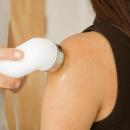
The course reviews major adjusting systems, therapeutic massage and stretching approaches, and the principles and procedures of physiotherapeutic modalities such as electrical stimulation, ultrasound, light therapy, and traction. Emphasis is placed on indications, contraindications, safety precautions, and the supportive role of the chiropractic assistant during these procedures.
What You'll Learn
- Differentiate manipulation from mobilization and recognize common chiropractic adjusting approaches and named techniques
- Describe the general purpose and basic features of therapeutic massage and multiple stretching methods
- Explain the goals of modality use during the inflammatory, repair, and remodeling phases of healing
- Summarize basic scientific principles behind electrical stimulation, ultrasound, light therapy, and traction
- Identify key indications, contraindications, and safety precautions for common physiotherapeutic modalities used in chiropractic practice
Course Outline
- Introduction and understanding subluxation concepts
- Manipulation vs. mobilization and diversified technique
- Extremity manipulation/adjusting and adjustive instruments
- Overview of chiropractic techniques.
- Therapeutic massage: indications, contraindications, and multiple forms of manual/bodywork therapy
- Stretching methods: myofascial stretching, stretch reflex, ballistic, dynamic, active, passive/relaxed, isometric, and PNF stretching with examples
- Principles and procedures of physiotherapeutic modalities across the healing phases
More Info · course sequence, faculty, certification, pricing & FAQs
Where This Course Fits — Three Layers, One Curriculum
You are here: Layer 2, CA 107. Ten courses organize into three working layers; together they are the 24 hours of CCCA coursework.
1. The Foundation
Start here: the program, the profession, and the language of the clinic.
CA 101: Introduction to the CCCA Program (2 hrs) · CA 102: Principles of Chiropractic Care (2 hrs) · CA 103: Terminology for Healthcare Professionals (3 hrs) · CA 106: Anatomy & Physiology (3 hrs)
2. The Clinical Core ◀ You are here
The hands-on layer — duties, procedures, and what to do when something goes wrong.
CA 105: Common Duties of the Chiropractic Assistant (3 hrs) · CA 107: Treatment Principles & Procedures (3 hrs) · CA 110: Emergency Procedures (2 hrs)
3. The Professional Layer
The disciplines that hold up under scrutiny — on paper, in conversation, and in conduct.
CA 104: Documentation & Recordkeeping (2 hrs) · CA 108: Office Communication & Patient Interaction (2 hrs) · CA 109: Professional Boundaries & Ethics (2 hrs)
Your Faculty
Monte Horne, DC — Founder and Lead Educator at CCEDseminars and postgraduate faculty in the Division of Postgraduate Studies at Texas Chiropractic College. He is the program creator of the FCLB-recognized Certified Chiropractic Clinical Assistant pathway, with more than 39 years of clinical experience.
Full bio and the complete instructor roster: CCEDseminars faculty page.
From Coursework to Credential — the CCCA Pathway
CA 107 is part of the 24 hours of coursework (CA 101–110) for the Certified Chiropractic Clinical Assistant (CCCA) credential, approved by the Federation of Chiropractic Licensing Boards. Full certification has four parts: the coursework, the proctored certification exam (online, 24/7), 300 hours of supervised clinical experience before first renewal, and the required text, The Chiropractic Therapy Assistant: A Clinical Resource Guide. Applicants must be 18+ with a high school diploma or equivalent.
Chiropractic assistant licensing and regulation vary by state and continue to evolve. Confirm your own state’s rules before relying on this course for a specific requirement. Full program details, eligibility and enrollment: CCCA certification page.
Build Your Training Block — or Take the Whole Curriculum
$54 for 3 hours — $18 per hour. Multi-course discounts apply automatically in the cart — 10% at 6–9 hours, 20% at 10 or more, no promo code.
The CCCA Certification Bundle enrolls the entire CA 101–110 curriculum in a single purchase: base tuition $432, and the automatic 20% discount at checkout brings it to $345.60. Complete the courses in any order; each generates its own instant certificate.
Frequently Asked Questions
What does CA 107 cover?
A 3-hour online course for chiropractic assistants. Topics: Introduction and understanding subluxation concepts; Manipulation vs. mobilization and diversified technique; Extremity manipulation/adjusting and adjustive instruments; Overview of chiropractic techniques; Therapeutic massage: indications, contraindications, and multiple forms of manual/bodywork therapy; Stretching methods: myofascial stretching, stretch reflex, ballistic, dynamic, active, passive/relaxed, isometric, and PNF stretching with examples; Principles and procedures of physiotherapeutic modalities across the healing phases.
Who teaches it, and who is it for?
Monte Horne, DC, founder of CCEDseminars and creator of the CCCA program. The course is written for working chiropractic assistants, aspiring CAs, and practice owners training their team.
Does this course make me a Certified Chiropractic Clinical Assistant?
Not by itself. CA 107 is one of ten courses (CA 101–110, 24 hours) that make up the coursework for the CCCA credential. Full certification also requires the proctored certification exam, 300 hours of supervised clinical experience before first renewal, and the required text. See the CCCA certification page for full details.
How is the course delivered, and when do I get my certificate?
Recorded online presentation with video, text and a downloadable study guide. Access is self-paced: log in and out as needed and resume where you left off. An instant certificate is available upon successful completion.
What should I take after CA 107?
CA 110: Emergency Procedures completes the Clinical Core layer. The CCCA Certification Bundle enrolls all ten courses in one purchase.
State approval and licensing reminder. Approval status for this course is listed below. Chiropractic assistant requirements vary by state; confirm your own state’s rules before relying on this course for a specific requirement.
Ready to continue the CCCA coursework?
CA 107 · 3 hours · $54 · instant certificate
CCEDseminars · PACE Provider #34015544 · Reviewed by Monte Horne, DC · Last updated November 16, 2026 (CT)