 Login
Login


Home › Online Course Categories › Neurology › Neurology 203: Pulse Oximetry in Chiropractic
Neurology 203 — at a Glance
| Course: | Pulse Oximetry in Chiropractic · 2 PACE-approved CE hours |
| Faculty: | Michael Hall, DC, FIACN · Neurology Faculty, CCEDseminars |
| Format: | On-demand online video with case walk-throughs and assessment · downloadable handouts · instant certificate |
| Pricing: | $20/hr · automatic 10% off at 6–9 hrs, 20% off at 10+ hrs in one order · no promo codes |
| Approval: | PACE Provider #34015544 · co-sponsored by Texas Chiropractic College · acceptance varies by state |


Board-approved · PACE Provider #34015544 · CE Broker auto-reporting for states served · Instant certificate
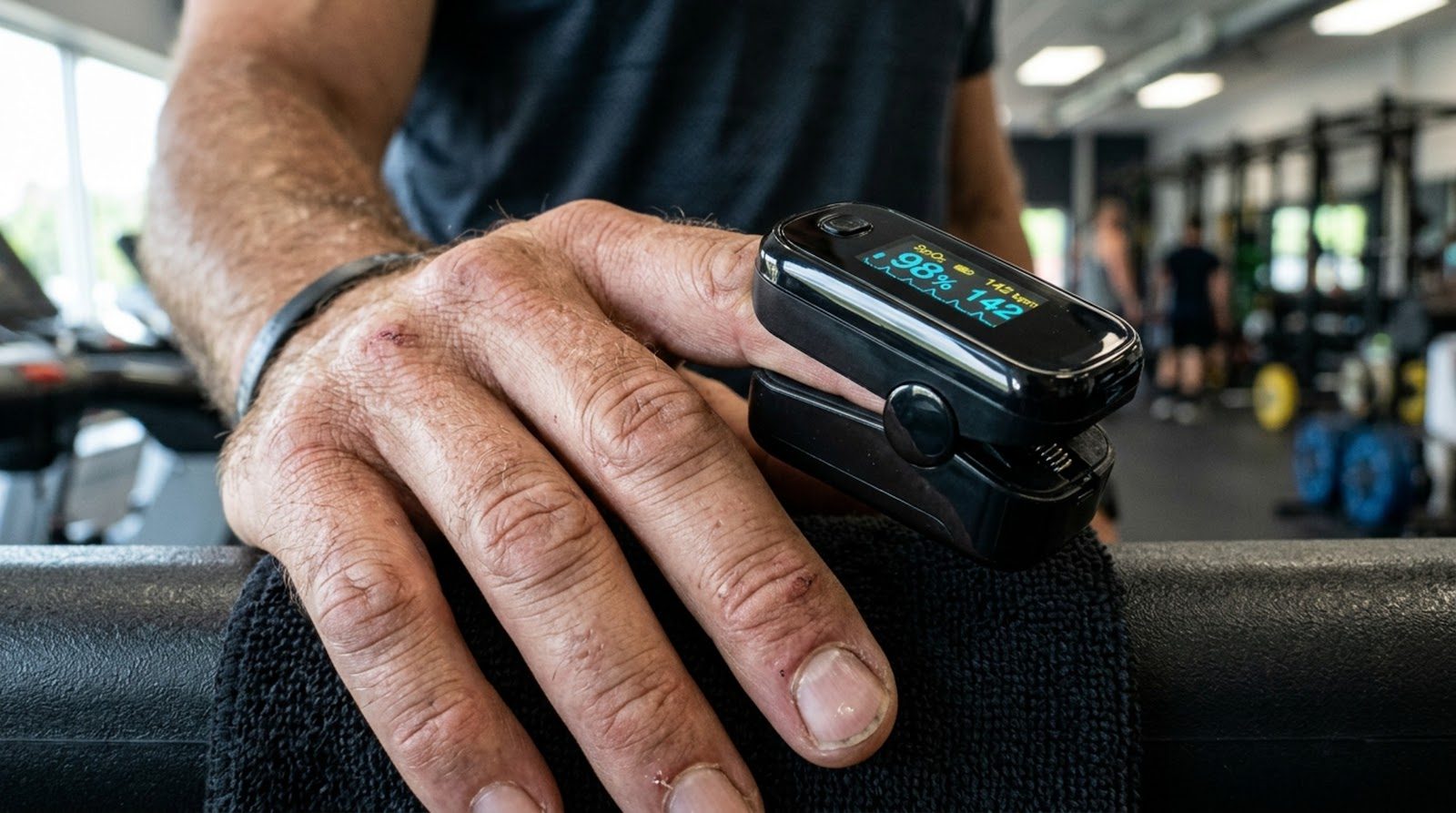
A ten-dollar clip on a fingertip is the cheapest neurological instrument in the office, and most chiropractors read it wrong. Neurology 203 covers what pulse oximetry actually measures — how the sensor detects haemoglobin oxygenation — because the interpretation only makes sense once the mechanism does.
From there it is practical: correct sensor placement, the artifacts that produce a false reading and how to troubleshoot them, and what saturation values mean in a chiropractic setting rather than an ICU. The course closes on real case scenarios, where SpO? functions as a prognostic and safety signal rather than a number recorded for the file.
Choose Your Neurology Path — Three Lanes, One Curriculum
The Neurology series runs from what you can measure at the bedside, through the brain systems that explain the findings, to the structures a chiropractor actually treats. Courses 201–210 are the first block of a larger clinical-neurology curriculum; each is two hours.
1 · Measurement and Monitoring (203, 208)
What you measure in the room and what the numbers actually mean — oximetry and vital signs read through a functional neurological lens rather than as box-ticking. You are here: Neurology 203.
203: Pulse Oximetry in Chiropractic
208: Vital Signs for Chiropractors
2 · Brain Systems (202, 204–206)
The cortical and cerebellar files: what chronic pain does to the brain, how the pyramidal system governs tone and symmetry, and what the frontal lobes and cerebellum contribute to everything else.
202: Pain & the Central Nervous System
204: Clinical Aspects of the Pyramidal Man
205: Functional Neurology & Frontal Lobes
206: Functional Neurology & the Cerebellum
3 · Spine, Balance and Clinical Integration (201, 207, 209, 210)
Where neurology meets the structures a chiropractor actually treats — the cord, the vestibular apparatus, the craniocervical junction — and three worked cases that put the whole method together.
201: Chiropractic Myelopathy Management
207: Exploring the Vestibular System
209: Guzay’s Theorem & Craniocervical Neurology
210: Chiropractic Clinical Case Studies
Every course in the series is 2 PACE-approved CE hours at $40, and the automatic bundle discounts apply across the whole lane.
What You'll Learn in Neurology 203
Explain the science behind pulse oximetry and how sensors detect haemoglobin oxygenation.
Apply best practice for sensor placement, and recognise and troubleshoot the common artifacts that produce false readings.
Interpret oxygen saturation values in a chiropractic context, distinguishing clinically meaningful change from noise.
Apply oximetry data to real case scenarios as a patient-safety and prognostic signal.
Your Neurology Faculty
Michael Hall, DC, FIACN,instructor of this course and of the entire Neurology curriculum. A chiropractic neurology specialist, founder of BrainDC.org and Neurology Faculty at CCEDseminars, with more than 30 years of clinical and academic experience. He teaches functional neurology, neurological assessment and clinical neuroscience with an emphasis on case-based, evidence-informed application — translating complex neurological concepts into clinical reasoning a general practice can use.
Monte Horne, DC,reviewer of this course. Founder and CE Program Director of CCEDseminars, a Designated Doctor for the Texas Department of Insurance and a peer reviewer and expert witness.
Full bios and the complete instructor roster: CCEDseminars faculty page.
Where Neurology CE Hours Count — State Rules Worth Knowing
Clinical neurology coursework is clinical subject matter — assessment, diagnosis and case management — which is exactly what several state boards ask for. In Iowa, these hours serve the 36-hour clinical case-management minimum; in Rhode Island, they address the 50-of-60 clinical requirement; and in Vermont — where practice-building coursework earns nothing — patient-care education like this counts fully under the clinical-focus rule.
Online-format allowances still vary by state — some accept every hour online, others cap distance learning or require in-person blocks. Check your state's guide in the full state directory before building your renewal plan.
Build Your Neurology Block
Every course in the Neurology series runs 2 hours at $40, so the automatic discounts do the bundling for you: 6–9 hours in one order earns 10% off, and 10 or more earns 20% off — courses 201–210 together are 20 hours, well past the 20% tier at roughly $320 instead of $400. The full Chiropractic Clinical Neurology (CCN) 201–224 bundle runs 48 hours if you are working toward the certification. This course pairs directly with 208 Vital Signs for Chiropractors, which puts oximetry back alongside blood pressure, heart rate and respiratory rate. 206 Functional Neurology & the Cerebellum explains why oxygen delivery matters neurologically — the cerebellum is among the first structures to show it. Browse Neurology Courses
Neurology 203 — Frequently Asked Questions
What does Neurology 203 cover?
The clinical use of pulse oximetry in chiropractic practice: the science of how sensors detect haemoglobin oxygenation, best practice for sensor placement and troubleshooting common artifacts, interpretation of oxygen saturation values in a chiropractic setting, and application of that data to real case scenarios.
How many CE hours is this course, and what does it cost?
2 PACE-approved CE hours for $40, or $20 per hour. Ordering 6–9 hours at once takes 10% off automatically and 10 or more takes 20% off — courses 201–210 together are 20 hours and clear the 20% tier. No promo codes.
Why would a chiropractor use a pulse oximeter?
Because oxygen saturation is a fast, non-invasive signal about a patient’s physiological state, and it carries neurological weight — nervous tissue is unusually sensitive to oxygen delivery. The course treats it as a safety and prognostic tool rather than a formality.
What makes a pulse oximeter reading wrong?
More things than most clinicians expect — placement, perfusion, movement and other artifacts all distort the signal. The course covers correct placement and systematic troubleshooting so a low reading is investigated rather than either ignored or over-read.
Will this course count toward my state CE requirement?
In most states, yes — this is clinical patient-care subject matter, and it is PACE-approved and co-sponsored by Texas Chiropractic College. Online-format allowances and clinical-hour minimums vary, so check your state guide in the full state directory before you build your renewal plan.
State Approval and Licensing Reminder
Continuing education requirements — including online-hour caps and clinical-hour minimums — vary by jurisdiction. Review the online chiropractic CE guidelines page and contact CCEDseminars with questions about your specific licensing requirements before registering.
Ready to Enroll in Neurology 203?
2 CE hours · $40 · online & self-paced · instant certificate. Add it to your cart, or take it with 208 Vital Signs for Chiropractors to complete the measurement lane.
CCEDseminars · PACE Provider #34015544 · Reviewed by Monte Horne, DC · Last updated September 3, 2026 (CT)