 Login
Login

Home › Online Course Categories › Neurology › Neurology 215: Dopamine, Parkinson’s & Chiropractic
Neurology 215 — at a Glance
| Course: | Dopamine, Parkinson’s & Chiropractic · 2 PACE-approved CE hours |
| Faculty: | Michael Hall, DC, FIACN · Neurology Faculty, CCEDseminars |
| Format: | On-demand online video with case walk-throughs and assessment · downloadable handouts · instant certificate |
| Pricing: | $20/hr · automatic 10% off at 6–9 hrs, 20% off at 10+ hrs in one order · no promo codes |
| Approval: | PACE Provider #34015544 · co-sponsored by Texas Chiropractic College · acceptance varies by state |



Board-approved · PACE Provider #34015544 · CE Broker auto-reporting for states served · Instant certificate
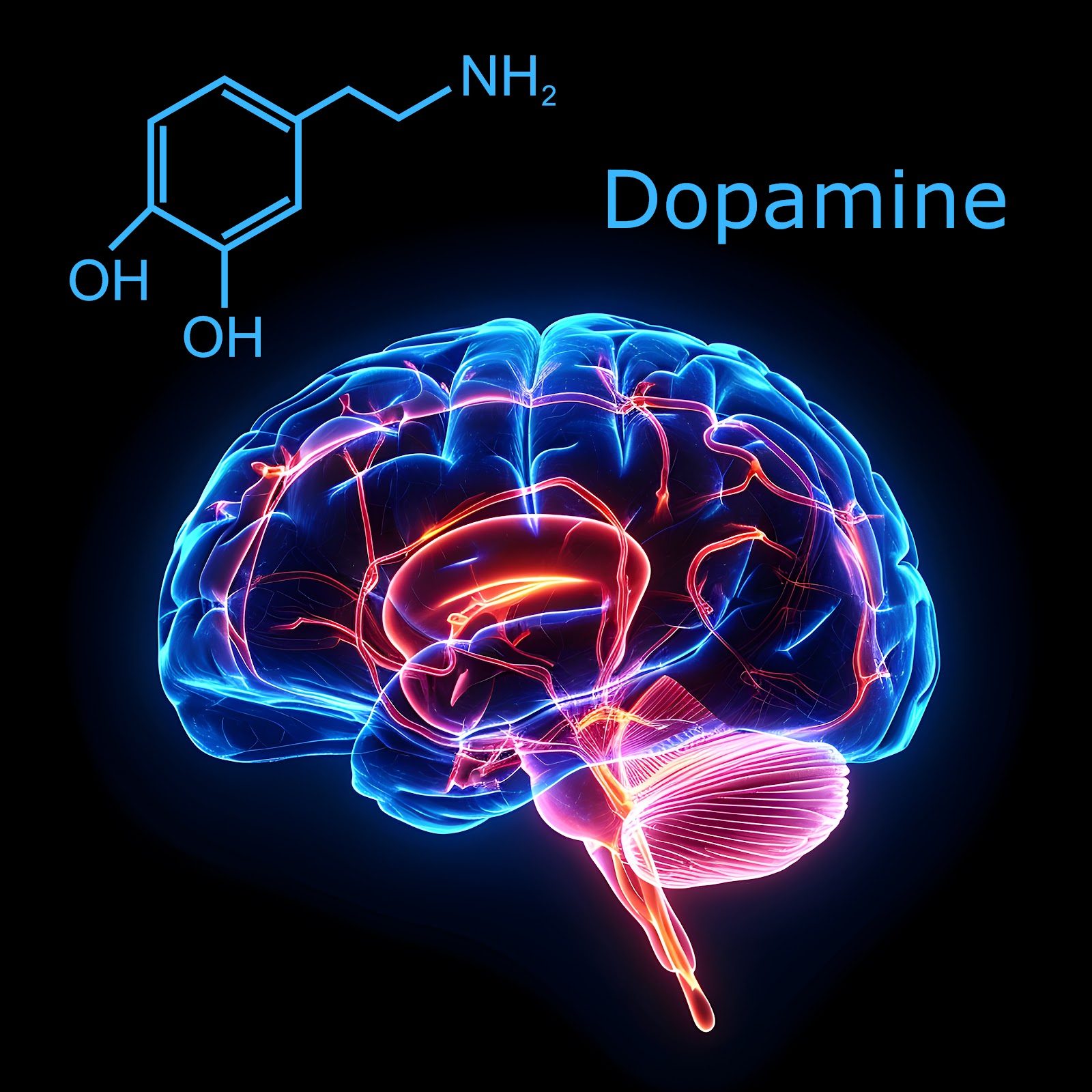
Dopamine is filed in most people’s heads under pleasure, and that filing error is why its clinical role gets missed. Neurology 215 puts it back where it belongs: motor inhibition in the basal ganglia first, then motivation and cognition — which is what makes a dopamine deficit a movement disorder before it is anything else.
From there the course is practical. It covers the clinical presentation of Parkinson’s disease and the pre-Parkinsonian signs a chiropractor is often positioned to observe first; the research on carbidopa/levodopa therapy and the vitamin B6 depletion that accompanies it; the dopamine biosynthesis pathway and the roles of dietary protein, B6 and gastric function within it; and five evidence-informed lifestyle strategies that support dopamine function inside the chiropractic scope.
Choose Your Neurology Path — Three Lanes, One Curriculum
The Neurology series runs from what you can measure at the bedside, through the brain systems that explain the findings, to the structures a chiropractor actually treats and the risks worth screening for. Courses 201–220 are built out here, within a larger clinical-neurology curriculum; each is two hours.
1 · Assessment and Clinical Reasoning (203, 208, 210, 211, 213)
What you measure in the room and what it means — oximetry, vital signs, reflexes and the neurology tests worth the chair time — ending in three worked cases.
203: Pulse Oximetry in Chiropractic
208: Vital Signs for Chiropractors
210: Chiropractic Clinical Case Studies
211: Reflex Assessment in Chiropractic
213: Neurology Tests for Chiropractors
2 · Brain Systems and Function (202, 204–206, 218)
The cortical and cerebellar files: what chronic pain does to the brain, how the pyramidal system governs tone and symmetry, what the frontal lobes and cerebellum contribute, and what “tone” actually means neurologically.
202: Pain & the Central Nervous System
204: Clinical Aspects of the Pyramidal Man
205: Functional Neurology & Frontal Lobes
206: Functional Neurology & the Cerebellum
218: Chiropractic Perspectives on Tone
3 · Spine, Balance and Craniocervical (201, 207, 209, 219)
Where neurology meets the structures a chiropractor treats — the cord, the vestibular apparatus, the craniocervical junction, and the autonomic pathway linking the neck to blood pressure.
201: Chiropractic Myelopathy Management
207: Exploring the Vestibular System
209: Guzay’s Theorem & Craniocervical Neurology
219: Cervicogenic Hypertension
4 · Brain Health, Injury and Risk (212, 214–217, 220)
The public-health end of clinical neurology: concussion in children and teenagers, movement and mood, dopamine and Parkinson’s, fitness as a clinical measure, and stroke risk. You are here: Neurology 215.
212: Pediatric Concussion Management
214: Depression and Exercise
215: Dopamine, Parkinson’s & Chiropractic
216: Is Fitness Important to Health?
217: The Concussed Teen and Return to Learn
220: Chiropractic Stroke Risk Assessment
Every course in the series is 2 PACE-approved CE hours at $40, and the automatic bundle discounts apply across the whole lane.
What You'll Learn in Neurology 215
Explain dopamine’s role beyond reward — motor inhibition in the basal ganglia, motivation and cognition.
Recognise the clinical presentation of Parkinson’s disease and the pre-Parkinsonian signs a chiropractor may observe first.
Summarise the research on carbidopa/levodopa therapy and vitamin B6 depletion, and its patient-education implications.
Trace the dopamine biosynthesis pathway and apply five evidence-informed lifestyle strategies within the chiropractic scope.
Your Neurology Faculty
Michael Hall, DC, FIACN,instructor of this course and of the entire Neurology curriculum. A chiropractic neurology specialist, founder of BrainDC.org and Neurology Faculty at CCEDseminars, with more than 30 years of clinical and academic experience. He teaches functional neurology, neurological assessment and clinical neuroscience with an emphasis on case-based, evidence-informed application — translating complex neurological concepts into clinical reasoning a general practice can use.
Monte Horne, DC,reviewer of this course. Founder and CE Program Director of CCEDseminars, a Designated Doctor for the Texas Department of Insurance and a peer reviewer and expert witness.
Full bios and the complete instructor roster: CCEDseminars faculty page.
Where Neurology CE Hours Count — State Rules Worth Knowing
Clinical neurology coursework is clinical subject matter — assessment, diagnosis and case management — which is exactly what several state boards ask for. In Iowa, these hours serve the 36-hour clinical case-management minimum; in Rhode Island, they address the 50-of-60 clinical requirement; and in Vermont — where practice-building coursework earns nothing — patient-care education like this counts fully under the clinical-focus rule.
Online-format allowances still vary by state — some accept every hour online, others cap distance learning or require in-person blocks. Check your state's guide in the full state directory before building your renewal plan.
Build Your Neurology Block
Every course in the Neurology series runs 2 hours at $40, so the automatic discounts do the bundling for you: 6–9 hours in one order earns 10% off, and 10 or more earns 20% off — courses 201–210 together are 20 hours, well past the 20% tier at roughly $320 instead of $400. The full Chiropractic Clinical Neurology (CCN) 201–224 bundle runs 48 hours if you are working toward the certification. This course pairs with 214 Depression and Exercise, which approaches neurotransmitter function from the movement side, and with 205 Functional Neurology & Frontal Lobes, where Parkinson’s appears again as a frontal presentation. 204 Clinical Aspects of the Pyramidal Man supplies the motor-control background. Browse Neurology Courses
Neurology 215 — Frequently Asked Questions
Does dopamine have a role beyond pleasure and reward?
Yes, and the course argues that role is the more clinically important one. Dopamine drives motor inhibition in the basal ganglia, which is why a deficit presents as a movement disorder, and it also underpins motivation and cognition. The reward association is real but partial, and treating it as the whole picture is what causes the clinical signs to be missed.
What does Neurology 215 cover?
Dopamine’s role in motor inhibition, motivation and cognition; the clinical presentation of Parkinson’s disease and the pre-Parkinsonian signs a chiropractor may observe first; the research on carbidopa/levodopa therapy and associated vitamin B6 depletion; the dopamine biosynthesis pathway including dietary protein, vitamin B6 and gastric function; and five evidence-informed lifestyle strategies that support dopamine function.
How many CE hours is this course, and what does it cost?
2 PACE-approved CE hours for $40, or $20 per hour. Ordering 6–9 hours at once takes 10% off automatically and 10 or more takes 20% off — no promo codes.
What are pre-Parkinsonian signs, and why would a chiropractor see them first?
They are the early motor and postural changes that precede a formal diagnosis. A chiropractor often has the advantage of repeated visits and a movement-focused examination, which is exactly the setting in which a subtle change in tone, gait or arm swing becomes noticeable — the course covers what to look for and what to do about it.
Can chiropractors support dopamine function naturally?
Within scope, yes. The course covers five evidence-informed lifestyle strategies grounded in the biosynthesis pathway — dietary protein, vitamin B6 status and gastric function among them — and is explicit that this is patient education and support, not a substitute for medical management of Parkinson’s disease.
State Approval and Licensing Reminder
Continuing education requirements — including online-hour caps and clinical-hour minimums — vary by jurisdiction. Review the online chiropractic CE guidelines page and contact CCEDseminars with questions about your specific licensing requirements before registering.
Ready to Enroll in Neurology 215?
2 CE hours · $40 · online & self-paced · instant certificate. Add it to your cart, or pair it with 214 Depression and Exercise to cover neurotransmitter function from both directions.
CCEDseminars · PACE Provider #34015544 · Reviewed by Monte Horne, DC · Last updated September 3, 2026 (CT)