 Login
Login

Home › Online Course Categories › Nutrition › Nutrition and Mood
Nutrition 218 — at a Glance
| Course: | Nutrition and Mood · 2 PACE-approved CE hours |
| Faculty: | Howard Benedikt, DC, DCBCN · Clinical Nutrition Faculty, CCEDseminars |
| Format: | On-demand online video with assessment · downloadable handouts · instant certificate |
| Pricing: | $20/hr · automatic 10% off at 6–9 hrs, 20% off at 10+ hrs in one order · no promo codes |
| Approval: | PACE Provider #34015544 · co-sponsored by Texas Chiropractic College · acceptance varies by state |



Board-approved · PACE Provider #34015544 · CE Broker auto-reporting for states served · Instant certificate
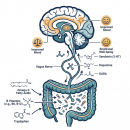
Dietary nutrients are the raw materials for neurotransmitter synthesis — tryptophan to serotonin, tyrosine to dopamine, glutamate to GABA — which makes mood, in part, a nutritional status. Nutrition 218 moves from foundational diet-brain science into practical supplementation strategies a chiropractor can integrate into patient care to enhance mood, reduce cognitive fatigue and support general well-being, within scope of practice.
Dr. Howard Benedikt maps the biochemical pathways linking dietary nutrients to neurotransmitter synthesis and brain function, shows how macronutrients, micronutrients and gut health drive emotional well-being, explains how the supplements work — omega-3 fatty acids (EPA/DHA), B-complex vitamins, magnesium, adaptogenic botanicals and probiotics with documented gut-brain effects — with mechanisms, evidence and dosing ranges, and gives you a clinical framework for designing mood-supportive diets and sustainable nutritional habits your patients can keep.
Choose Your Nutrition Path — Three Lanes, One Curriculum
The Nutrition library — sixty-eight courses by Howard Benedikt, DC, DCBCN — organizes into three working lanes: the gut, the brain, and the conditions you already treat. Nutrition 201–210 is the foundation block, 211–220 the second, 221–230 the third, 231–240 the fourth, 241–250 the fifth, and 201–224 together form the 48-hour Clinical Nutrition Certification (CNC). Two hours each.
1 · Gut, Microbiome, Digestion and Detoxification
Where nutrient status is decided and where systemic inflammation is won or lost — from the intro principles of micronutrients and absorption to the microbiome, the liver’s biotransformation pathways, the GI disease files, the gut/brain connection, functional GI testing, and digestive enzymes.
201: Introduction to Clinical Nutrition
205: Detoxification
207: Microbiota & the Musculoskeletal System
208: Detoxification II
213: Gastrointestinal Disease & Nutrition
214: An Integrative Approach to Gastrointestinal Disease II
221: The Gut/Brain Connection
225: Functional Medicine Testing for GI Disturbances
248: Maximizing Health Through Proper Digestion and Absorption
258: Oxidative Stress Detoxification — Better Responses to Chiropractic Care
2 · Brain, Mood, Stress and the Nervous System
Nutritional neurology — the headache patient, the stress physiology your patients carry through the door, the brain-game files on how food drives cognition, the nutrition-and-mood pair, the fatigued patient, memory and dementia, nervous-system function, chronic fatigue with myofascial pain, the concussion protocol, the maladaptive stress response, and the fatigue work-up. You are here: Nutrition 218.
203: Nutritional Management of Headaches
204: Chiropractic Nutrition for Stress Management
211: The Brain Game — How Nutrition Impacts Brain Function
212: The Brain Game II — How Food Impacts Brain Function
218: Nutrition and Mood
219: Nutrition and Mood II
228: Dealing with Fatigue in Clinical Practice
233: Memory, Dementia, and Chiropractic Care
234: Optimal Nervous System Function & Nutrition
237: Chronic Fatigue and Myofascial Pain Syndrome — an Integrative Approach
240: Nutritional Management of Concussions in a Clinical Setting
242: Maladaptive Stress Response & Musculoskeletal Disease
244: Managing the Fatigued Patient
247: Optimizing Nervous System Function with Nutrition
251: Autonomic Nervous System Regulation
253: Stress Management II
254: Stress I — How Managing Stress Leads to Better Patient Outcomes
263: Stress Update — Supporting Our Patients During Uncertain Times
264: Brain Game III — How Food Impacts Brain Function
3 · Musculoskeletal, Immune, Hormonal and Clinical Conditions
Nutritional management layered onto what you already treat — arthritic and autoimmune joints, neuropathy and neuropathic pain, immune resilience and the cold-and-flu season, lipids and cholesterol, antioxidants, endocrine disruptors, the thyroid and hormone-testing files, menopause and estrogen, vitamin D, sports injuries, diet and chronic disease, women’s musculoskeletal health, the pain files, the pediatric pair, osteoporosis, and the commonly seen conditions.
202: Nutritional Management of Arthritic Disease
206: Management of Neuropathy
209: Nutrition & the Immune System
210: The Fat Story & Cholesterol
215: Antioxidants in Health and Disease
216: Antioxidants in Health and Disease II
217: Endocrine Disruptors in Health & Disease
220: Management of Autoimmune Disorders — Rheumatoid Arthritis
222: Assessing Thyroid Health in Clinical Practice I
223: Assessing Hormones in Clinical Practice I
224: Assessing Hormones in Clinical Practice II
226: Women’s Health Issues — Focus on Menopause and Estrogen
227: Vitamin D & Musculoskeletal Health
229: Nutritional Management of Sports Injuries
230: A Primer on the Role of Diet and Chronic Disease
231: Women’s Health Issues and the Musculoskeletal System
232: An Integrative Approach to the Musculoskeletal System
235: Pediatric Nutrition & Chiropractic I
236: Pediatric Nutrition & Chiropractic II
238: Chiropractic and Osteoporosis
239: Treating Commonly Seen Conditions in Chiropractic Practice
241: Strengthen Your Immune and Musculoskeletal System through Nutrition and Chiropractic
243: Joint Pain & Inflammation
245: Natural Remedies for the Pain Patient
246: Keeping Healthy During Cold and Flu Season
249: New Strategies for Pain Management in the Chiropractic Setting
250: Neuropathic Pain Management
252: Special Topics in Nutrition
255: Autoimmune Disease II
256: Sports Injury Management in a Chiropractic Office
257: Bone Health
259: Path to Wellness
260: Nutrition and Musculoskeletal Health
261: Wellness and Chiropractic
262: Women’s Health and Nutrition
265: Neuropathy — Pathophysiology and Therapeutic Approaches
266: Comprehensive Approach for Treatment of Joints, Tendons and Ligaments
267: How Nutrition and Chiropractic Go Hand in Hand
269: Nutritional Management of Neuropathy
Every course in the series is 2 PACE-approved CE hours at $40, and the automatic bundle discounts apply across the whole lane. The full 68-course catalog continues on the Nutrition category page.
What You’ll Learn in Nutrition 218
Understand how food affects mood by examining the biochemical pathways linking dietary nutrients to neurotransmitter synthesis and brain function.
Recognize how deficiencies in B vitamins, omega-3 fatty acids, magnesium and zinc disrupt the serotonin, dopamine and GABA pathways.
Discuss how supplements work — omega-3 (EPA/DHA), B-complex, magnesium, adaptogenic botanicals and probiotics — and their mechanisms of action in mood regulation and neurological support.
Integrate supplementation into chiropractic practice with evidence-based protocols for mood, cognitive function and stress resilience, within scope-of-practice guidelines.
Develop diets that enhance general well-being and guide patients in building sustainable nutritional habits.
Position nutritional guidance as a complement to the mental-health care patients are already receiving — supporting mood without diagnosing or treating mental health conditions.
Your Nutrition Faculty
Howard Benedikt, DC, DCBCN — instructor of this course. Board-certified chiropractic clinical nutritionist, Diplomate and President of the Chiropractic Board of Clinical Nutrition, with more than 30 years in clinical nutrition and functional medicine. He authors all 68 courses in the CCEDseminars Nutrition library and the Clinical Nutrition Certification (CNC) track at its core, and is known for translating complex nutritional biochemistry into practical, office-ready protocols — here, the biochemistry that connects the plate to the patient’s mood.
Full bio and the complete instructor roster: CCEDseminars faculty page.
Where Nutrition CE Hours Count — State Rules Worth Knowing
Nutrition coursework is clinical subject matter — assessment, clinical reasoning and nutritional management of patient conditions — which is exactly what several state boards ask for. In Iowa, these hours serve the 36-hour clinical case-management minimum; in Rhode Island, they address the 50-of-60 clinical requirement; and in Vermont — where practice-building coursework earns nothing — patient-care education like this counts fully under the clinical-focus rule.
Online-format allowances still vary by state — some accept every hour online, others cap distance learning or require in-person blocks. Check your state’s guide in the full state directory before building your renewal plan.
Build Your Nutrition Block — or Take the Credential
Every course in the Nutrition series runs 2 hours at $40, so the automatic discounts do the bundling for you: 6–9 hours in one order earns 10% off, and 10 or more earns 20% off — any ten courses from the series is 20 hours, which clears the 20% tier at roughly $320 instead of $400, with no promo codes. Nutrition and Mood pairs naturally with Nutrition 219, its advanced sequel, and Nutrition 211 on the gut-brain axis; the three together reach 6 hours and the 10% tier. Pursuing the credential? The Clinical Nutrition Certification (CNC) packages Nutrition 201–224 — 48 hours — in a single $960 checkout. Browse Nutrition Courses
Nutrition 218 — Frequently Asked Questions
What does Nutrition 218 cover?
Nutrition 218 covers nutrition and mood for chiropractors: the biochemical pathways from dietary nutrients to neurotransmitter synthesis, how macronutrients, micronutrients and gut health drive emotional well-being, the nutrient deficiencies that disrupt serotonin, dopamine and GABA, how omega-3s, B-complex, magnesium, adaptogens and probiotics work, and clinical frameworks for mood-supportive diet design and supplementation. Also known as food and mood, nutritional psychiatry basics, or diet for mental well-being.
How is this different from Nutrition 219, Nutrition and Mood II?
Nutrition 218 is the foundation — how food affects mood, how the supplements work and how to design a mood-supportive diet. Nutrition 219 advances into neurotransmitter precursor and amino acid therapy, HPA axis and adrenal nutrition, lab markers and functional testing, and targeted intervention protocols. Take 218 first.
How does nutrition directly affect mood and brain function?
Tryptophan converts to serotonin, tyrosine to dopamine and glutamate to GABA — all of which regulate mood, stress response and cognitive function. Deficiencies in B vitamins, omega-3 fatty acids, magnesium and zinc disrupt these pathways and contribute to depression, anxiety and cognitive decline. The course maps these mechanisms so chiropractors can identify nutritional contributors in clinical practice.
Can chiropractors recommend nutrition plans for mood disorders?
Within their scope of practice, chiropractors can provide evidence-based nutritional guidance that supports mood, reduces inflammation and improves overall well-being — without diagnosing or treating mental health conditions. Nutrition 218 equips you with a clinical framework for diet design and supplementation recommendations that complement the care patients receive from mental-health professionals.
How many CE hours is it, and where does it sit in the Nutrition series?
It is 2 PACE-approved CE hours. Nutrition 218 sits in the brain, mood and stress lane of the Nutrition series with Dr. Howard Benedikt, alongside Nutrition 203, 204, 211, 212 and 219, and is a core module of the Clinical Nutrition Certification.
State Approval and Licensing Reminder
Continuing education requirements — including online-hour caps and clinical-hour minimums — vary by jurisdiction. Review the online chiropractic CE guidelines page and contact CCEDseminars with questions about your specific licensing requirements before registering.
Ready to Enroll in Nutrition 218?
Good food really is good mood — biochemically. Two hours here give you the neurotransmitter pathways, the supplement mechanisms and the diet-design framework to support your patients’ well-being within scope.
CCEDseminars · PACE Provider #34015544 · Reviewed by Monte Horne, DC · Last updated September 2026 (CT)