<< Back to online CE course category
Nutrition 218 — Nutrition and Mood is a two-hour PACE nutrition CE webinar examining how dietary choices directly and indirectly influence brain function, neurotransmitter production, and emotional well-being. The course moves from foundational diet-brain science into practical supplementation strategies chiropractors can integrate into patient care to enhance mood, reduce cognitive fatigue, and support general wellness.
Instructor Howard Benedikt, DC, DCBCN draws on 46+ years of clinical nutrition practice to connect nutritional biochemistry to real patient outcomes. Chiropractors earn 2 CE hours toward license renewal and leave with evidence-based tools to advise patients on diet design and targeted supplementation for mood and well-being.
Howard Benedikt, DC, DCBCN is a Board-Certified Chiropractic Clinical Nutritionist, 46+ years in practice, M.S. Human Nutrition CW Post/LIU, and Lead Clinical Nutrition Faculty at CCEDseminars. He delivers PACE- and board-approved curricula via Texas Chiropractic College, holds adjunct positions at New York Chiropractic College and Berkeley College NY, and practices in midtown Manhattan.
How does nutrition directly affect mood and brain function?
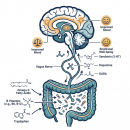
Dietary nutrients serve as the raw materials for neurotransmitter synthesis. Tryptophan converts to serotonin, tyrosine to dopamine, and glutamate to GABA — all of which regulate mood, stress response, and cognitive function. Deficiencies in B vitamins, omega-3 fatty acids, magnesium, and zinc disrupt these pathways, contributing to depression, anxiety, and cognitive decline. Nutrition 218 maps these mechanisms so chiropractors can identify nutritional contributors to mood disorders in clinical practice.
What supplements are covered in Nutrition 218 for mood and well-being?
The course examines targeted supplementation including omega-3 fatty acids (EPA/DHA), B-complex vitamins, magnesium, adaptogenic botanicals, and probiotics with documented effects on the gut-brain axis. Dr. Benedikt covers mechanisms of action, clinical evidence, appropriate dosing ranges, and how to integrate these protocols into chiropractic practice within scope-of-practice guidelines.
Can chiropractors recommend nutrition plans for mood disorders?
Within their scope of practice, chiropractors can provide evidence-based nutritional guidance that supports mood, reduces inflammation, and improves overall well-being — without diagnosing or treating mental health conditions. Nutrition 218 equips practitioners with a clinical framework for diet design and supplementation recommendations that complement the care their patients are already receiving from mental health professionals.
Is Nutrition 218 PACE-approved for chiropractic license renewal?
Yes. Nutrition 218 is PACE-approved for chiropractic license renewal in most U.S. states. Visit the CCEDseminars State CE Guidelines page to confirm your state or region's requirements before enrolling.
Watch Dr. Benedikt discuss nutrition, brain function, and clinical wellness CE.
Watch on YouTubeAlaska, Colorado, Connecticut, Delaware, District Of Columbia, Florida, Hawaii, Idaho, Illinois, Indiana, Iowa, Kansas, Maine, Maryland, Massachusetts, Michigan, Minnesota, Missouri, Montana, Nebraska, New Hampshire, New Jersey, New York, North Carolina, North Dakota, Ohio, Oregon, Puerto Rico, Rhode Island, South Carolina, South Dakota, Tennessee, Texas, Utah, Vermont, Virginia, Washington, West Virginia, Wyoming,
British Columbia, Manitoba, New Brunswick, Nova Scotia, Ontario, Yukon,
Argentina, Australia, Bahamas, Belgium, Bolivia, Cayman Islands, Chili, Columbia, Costa Rica, Cyprus, Denmark, Dominican Republic, Ecuador, Fiji, Finland, Germany, Greece, Guam, Hong Kong, Hungary, Iceland, Iran, Israel, Italy, Jamaica, Japan, Jordan, Korea, Lebanon, Libya, Liechtenstein, Malaysia, Mexico, Nambia, Netherlands, New Zealand, Northern Ireland, Norway, Panama, Peru, Philippines, Saint Kitts & Nevis, Saudi Arabia, Singapore, South Africa, Spain, Sweden, Switzerland, Taiwan, Thailand, Trinidad & Tobago, United Arab Emirates, United Kingdom, Venezuela, Virgin Island, Zimbabwe,
 Login
Login