<< Back to online CE course catalog
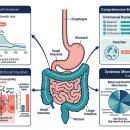
Nutrition 225 — Functional Medicine Testing for GI Disturbances is a two-hour PACE nutrition CE webinar providing chiropractors with a comprehensive framework for functional gastrointestinal assessment. The course covers the four primary testing modalities — comprehensive stool analysis, SIBO breath testing, intestinal permeability testing, and microbiome profiling — and examines how each reveals distinct clinical problems contributing to GI dysfunction, systemic inflammation, and chronic disease.
Instructor Howard Benedikt, DC, DCBCN — President of the Chiropractic Board of Clinical Nutrition — guides practitioners through the clinical application of functional GI testing, from patient selection and test ordering through result interpretation and nutritional intervention design. Practitioners earn 2 CE hours toward license renewal.
Howard Benedikt, DC, DCBCN is President of the Chiropractic Board of Clinical Nutrition, Board-Certified Chiropractic Clinical Nutritionist, 46+ years in practice, M.S. Human Nutrition CW Post/LIU, and Lead Clinical Nutrition Faculty at CCEDseminars. He delivers PACE- and board-approved curricula via Texas Chiropractic College, holds adjunct positions at New York Chiropractic College and Berkeley College NY, and practices in midtown Manhattan.
What does a comprehensive stool analysis reveal that standard GI testing does not?
Standard GI testing typically screens for pathogens and obvious structural disease. A comprehensive stool analysis goes further — profiling commensal and pathogenic bacterial populations, detecting parasites and yeast overgrowth, measuring inflammatory markers (calprotectin, lactoferrin), assessing digestive enzyme activity, and evaluating short-chain fatty acid production. This functional picture allows chiropractors to identify subclinical dysbiosis, inflammatory burden, and digestive insufficiency driving systemic symptoms that standard panels miss entirely.
How does the SIBO breath test work and what do hydrogen and methane results indicate?
The SIBO breath test measures exhaled hydrogen (H?) and methane (CH?) gases produced by bacterial fermentation after ingestion of lactulose or glucose. An early rise in hydrogen above 20 ppm within 90 minutes indicates bacterial overgrowth in the small intestine. Elevated methane — 10 ppm or more at any point — indicates intestinal methanogen overgrowth (IMO), which is more strongly associated with constipation-predominant IBS. Nutrition 225 covers test protocols, interpretation thresholds, and the nutritional management implications of each gas pattern.
How is intestinal permeability tested and why does it matter clinically?
Intestinal permeability is assessed via the lactulose-mannitol ratio test, where an elevated ratio indicates compromised tight junction integrity. Serum zonulin — a protein that regulates tight junction opening — is also used as a biomarker. Elevated permeability allows bacterial endotoxins (LPS), food antigens, and microbial fragments to enter systemic circulation, triggering chronic immune activation and neuroinflammation. Identifying and addressing intestinal permeability is a central strategy in managing chronic inflammatory and autoimmune conditions in nutritional chiropractic practice.
Is Nutrition 225 PACE-approved for chiropractic license renewal?
Yes. Nutrition 225 is PACE-approved for chiropractic license renewal in most U.S. states. Visit the CCEDseminars State CE Guidelines page to confirm your state or region's requirements before enrolling.
Discover a wealth of clinical pearls & resources in our CCEDseminars ecosystem.
Watch on YouTubeAlaska, Colorado, Connecticut, Delaware, District Of Columbia, Florida, Hawaii, Idaho, Illinois, Indiana, Iowa, Kansas, Maine, Maryland, Massachusetts, Michigan, Minnesota, Missouri, Montana, Nebraska, New Hampshire, New Jersey, New York, North Carolina, North Dakota, Ohio, Oregon, Puerto Rico, Rhode Island, South Carolina, South Dakota, Tennessee, Texas, Utah, Vermont, Virginia, Washington, West Virginia, Wyoming,
British Columbia, Manitoba, New Brunswick, Nova Scotia, Ontario, Yukon,
Argentina, Australia, Bahamas, Belgium, Bolivia, Cayman Islands, Chili, Columbia, Costa Rica, Cyprus, Denmark, Dominican Republic, Ecuador, Fiji, Finland, Germany, Greece, Guam, Hong Kong, Hungary, Iceland, Iran, Israel, Italy, Jamaica, Japan, Jordan, Korea, Lebanon, Libya, Liechtenstein, Malaysia, Mexico, Nambia, Netherlands, New Zealand, Northern Ireland, Norway, Panama, Peru, Philippines, Saint Kitts & Nevis, Saudi Arabia, Singapore, South Africa, Spain, Sweden, Switzerland, Taiwan, Thailand, Trinidad & Tobago, United Arab Emirates, United Kingdom, Venezuela, Virgin Island, Zimbabwe,
 Login
Login