<< Back to online CE course catalog
Course Number: Nutrition 229 | Course ID: 692
Sports injuries represent one of the most clinically demanding challenges in chiropractic practice, and nutrition is an underutilized but evidence-backed lever for accelerating recovery. Nutrition 229: Nutritional Management of Sports Injuries provides chiropractors and sports health practitioners with a structured, clinically applicable framework for integrating targeted nutrition and supplementation into injury rehabilitation protocols.
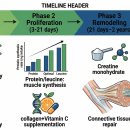
This 2-hour online CE course moves through the biological stages of soft tissue healing — inflammation, proliferation, and remodeling — and maps specific nutritional interventions to each phase. Clinicians will learn how to calculate protein and caloric needs to protect lean mass during immobilization, identify the critical role of micronutrients such as vitamin C, vitamin D, zinc, and magnesium in tissue repair, and apply evidence-based supplementation strategies including collagen/gelatin, omega-3 fatty acids, creatine, and CoQ10.
Designed for practicing chiropractors who treat active patients and athletes, this course bridges sports chiropractic and clinical nutrition to help reduce recovery time, minimize muscle atrophy, and support return-to-play outcomes. Approved via Texas Chiropractic College PACE program and accepted by most state chiropractic boards. Check your state CE guidelines for eligibility.
Upon completing this course, chiropractors will be able to:
Dr. Howard Benedikt, DC, DCBCN
Dr. Benedikt is President of the Chiropractic Board of Clinical Nutrition and a Board-Certified Chiropractic Clinical Nutritionist with over 46 years in practice. He holds a Master of Science in Human Nutrition from C.W. Post/Long Island University and serves as Lead Clinical Nutrition Faculty at CCEDseminars. His courses are PACE-approved via Texas Chiropractic College. Dr. Benedikt is an adjunct instructor at NY Chiropractic College and Berkeley College NY, and maintains an active clinical practice in midtown Manhattan.
View Full Faculty Profile →What does sports injury nutrition cover in a chiropractic CE context?
Sports injury nutrition for chiropractors focuses on how macronutrients and micronutrients support the body's three-phase soft tissue healing response. This course covers protein and leucine dosing to preserve lean mass, the anti-inflammatory role of omega-3 fatty acids, and targeted supplementation — including collagen, creatine, and vitamin C — to accelerate connective tissue repair in active patients.
How much protein does an injured athlete need during immobilization?
Evidence suggests injured and immobilized athletes require higher protein intakes — often 1.6–2.5 g/kg body weight per day — to counteract disuse atrophy. Leucine-rich protein sources and leucine supplementation are particularly important for triggering muscle protein synthesis when mechanical loading is absent. This course provides practical intake guidelines and clinical strategies covered in the module on protein and energy requirements during injury recovery.
Does collagen supplementation help with tendon and ligament repair?
Yes. Hydrolyzed collagen and gelatin — taken with vitamin C prior to loading exercise — have been shown to increase collagen synthesis in tendons and ligaments. The vitamin C cofactor is essential for hydroxylation of proline and lysine during collagen fibril formation. This course reviews the current evidence on timing, dose, and form of collagen supplementation for musculoskeletal injury recovery in clinical chiropractic practice.
Is this course approved for chiropractic CE credit in my state?
Nutrition 229 is PACE-approved through Texas Chiropractic College and is accepted for continuing education credit by most state chiropractic licensing boards. CCEDseminars provides a certificate of completion upon finishing the online exam. Visit the state CE guidelines page to confirm acceptance in your state.
Watch a Course Preview on YouTube
See Dr. Benedikt introduce the nutritional framework for sports injury recovery before you enroll.
Watch on YouTubeAlaska, Colorado, Connecticut, Delaware, District Of Columbia, Florida, Hawaii, Idaho, Illinois, Indiana, Iowa, Kansas, Maine, Maryland, Massachusetts, Michigan, Minnesota, Missouri, Montana, Nebraska, New Hampshire, New Jersey, New York, North Carolina, North Dakota, Ohio, Oregon, Puerto Rico, Rhode Island, South Carolina, South Dakota, Tennessee, Texas, Utah, Vermont, Virginia, Washington, West Virginia, Wyoming,
British Columbia, Manitoba, New Brunswick, Nova Scotia, Ontario, Yukon,
Argentina, Australia, Bahamas, Belgium, Bolivia, Cayman Islands, Chili, Columbia, Costa Rica, Cyprus, Denmark, Dominican Republic, Ecuador, Fiji, Finland, Germany, Greece, Guam, Hong Kong, Hungary, Iceland, Iran, Israel, Italy, Jamaica, Japan, Jordan, Korea, Lebanon, Libya, Liechtenstein, Malaysia, Mexico, Nambia, Netherlands, New Zealand, Northern Ireland, Norway, Panama, Peru, Philippines, Saint Kitts & Nevis, Saudi Arabia, Singapore, South Africa, Spain, Sweden, Switzerland, Taiwan, Thailand, Trinidad & Tobago, United Arab Emirates, United Kingdom, Venezuela, Virgin Island, Zimbabwe,
 Login
Login