<< Back to online CE course catalog
Chronic diseases—cardiovascular disease, type 2 diabetes, obesity, and cancer—now account for the majority of deaths and disability in the United States. This 2-CE-hour online course equips chiropractic practitioners with evidence-based knowledge of the dietary factors that drive or prevent chronic disease, enabling confident, practical nutritional counseling within chiropractic clinical practice.
Diet is among the most powerful—and most modifiable—determinants of chronic disease risk. Despite overwhelming evidence linking dietary patterns to systemic inflammation, insulin resistance, and accelerated disease progression, most clinicians receive little formal training in translating that evidence into actionable patient guidance. Nutrition 230 bridges that gap.
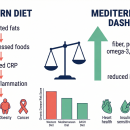
This course begins with the epidemiological burden of chronic disease in the U.S. and proceeds through the biological mechanisms by which dietary choices promote or suppress systemic inflammation. Students examine how ultra-processed foods, high glycemic-load carbohydrates, and excess saturated fat activate pro-inflammatory pathways linked to atherosclerosis, insulin resistance, and carcinogenesis. The course then shifts to protective dietary strategies—Mediterranean, DASH, and plant-forward patterns—demonstrating how specific macronutrient choices involving fiber, whole grains, and anti-inflammatory fats modulate CRP, improve insulin sensitivity, and reduce all-cause mortality. The final section focuses on clinical translation: how chiropractic practitioners can counsel patients on sustainable, evidence-based dietary changes that meaningfully lower chronic disease risk.
Upon successful completion, participants will be able to:
Dr. Howard Benedikt, DC, DCBCN
Dr. Benedikt is President of the Chiropractic Board of Clinical Nutrition and a Board-Certified Chiropractic Clinical Nutritionist with more than 46 years in clinical practice. He holds an M.S. in Human Nutrition from CW Post/Long Island University and serves as Lead Clinical Nutrition Faculty at CCEDseminars. His programs are PACE/board-approved through Texas Chiropractic College. Dr. Benedikt holds adjunct positions at NY Chiropractic College and Berkeley College NY, and maintains an active practice in midtown Manhattan. Learn more about our faculty.
What dietary patterns does Nutrition 230 cover for chronic disease prevention?
The course examines three primary evidence-based dietary patterns: the Mediterranean diet, the DASH diet, and plant-based approaches. Each is evaluated for its clinical evidence base, anti-inflammatory mechanisms, and feasibility for chiropractic patient populations. Specific macronutrients—including dietary fiber, whole grains, and omega-3 fatty acids—are discussed in the context of their roles in reducing cardiovascular risk, improving insulin sensitivity, and lowering systemic inflammation markers such as CRP.
How does diet contribute to systemic inflammation and chronic disease?
A diet high in ultra-processed foods, refined carbohydrates, and saturated fats promotes pro-inflammatory cytokine release, impairs insulin signaling, and accelerates endothelial dysfunction—pathways directly linked to cardiovascular disease, type 2 diabetes, obesity, and certain cancers. Nutrition 230 details these mechanisms at the cellular level, giving clinicians a scientific foundation for the dietary recommendations they make in practice.
Is Nutrition 230 approved for chiropractic continuing education credit?
Yes. Nutrition 230 offers 2 CE hours and is PACE/board-approved through Texas Chiropractic College. CCEDseminars courses are accepted in numerous states; chiropractors should review their state licensing board’s requirements to confirm eligibility. Consult the state-by-state CE guidelines for details.
How can chiropractors practically apply dietary counseling in patient visits?
The final module of Nutrition 230 addresses the clinical translation challenge directly. Participants learn communication frameworks for discussing dietary habits, strategies for setting realistic dietary goals, and how to identify patients at greatest chronic disease risk based on dietary history. These skills complement musculoskeletal care by addressing systemic contributors to pain, inflammation, and functional decline.
See CCEDseminars in Action
Watch our faculty overview and explore the full online CE course library—then subscribe so you never miss a new release.
Watch on YouTube & SubscribeAlaska, Colorado, Connecticut, Delaware, District Of Columbia, Florida, Hawaii, Idaho, Illinois, Indiana, Iowa, Kansas, Maine, Maryland, Massachusetts, Michigan, Minnesota, Missouri, Montana, Nebraska, New Hampshire, New Jersey, New York, North Carolina, North Dakota, Ohio, Oregon, Puerto Rico, Rhode Island, South Carolina, South Dakota, Tennessee, Texas, Utah, Vermont, Virginia, Washington, West Virginia, Wyoming,
British Columbia, Manitoba, New Brunswick, Nova Scotia, Ontario, Yukon,
Argentina, Australia, Bahamas, Belgium, Bolivia, Cayman Islands, Chili, Columbia, Costa Rica, Cyprus, Denmark, Dominican Republic, Ecuador, Fiji, Finland, Germany, Greece, Guam, Hong Kong, Hungary, Iceland, Iran, Israel, Italy, Jamaica, Japan, Jordan, Korea, Lebanon, Libya, Liechtenstein, Malaysia, Mexico, Nambia, Netherlands, New Zealand, Northern Ireland, Norway, Panama, Peru, Philippines, Saint Kitts & Nevis, Saudi Arabia, Singapore, South Africa, Spain, Sweden, Switzerland, Taiwan, Thailand, Trinidad & Tobago, United Arab Emirates, United Kingdom, Venezuela, Virgin Island, Zimbabwe,
 Login
Login