 Login


Home › Physical Examination CE Courses › Physical Examination 204: Cerebral and Vascular Risks
At a Glance
| Course: | Physical Examination 204: Cerebral and Vascular Risks · 2 CE hours · $40 |
| Faculty: | John H. Riggs III, MBA, DC, DIANM |
| Format: | Online, on-demand — start immediately |
| Pricing: | $40 ($20/hr) · automatic bundle discounts |
| Approval: | PACE Provider #34015544 · TCC co-sponsored |



PACE Provider #34015544 · Co-sponsored by Texas Chiropractic College · Completions reported to CE Broker
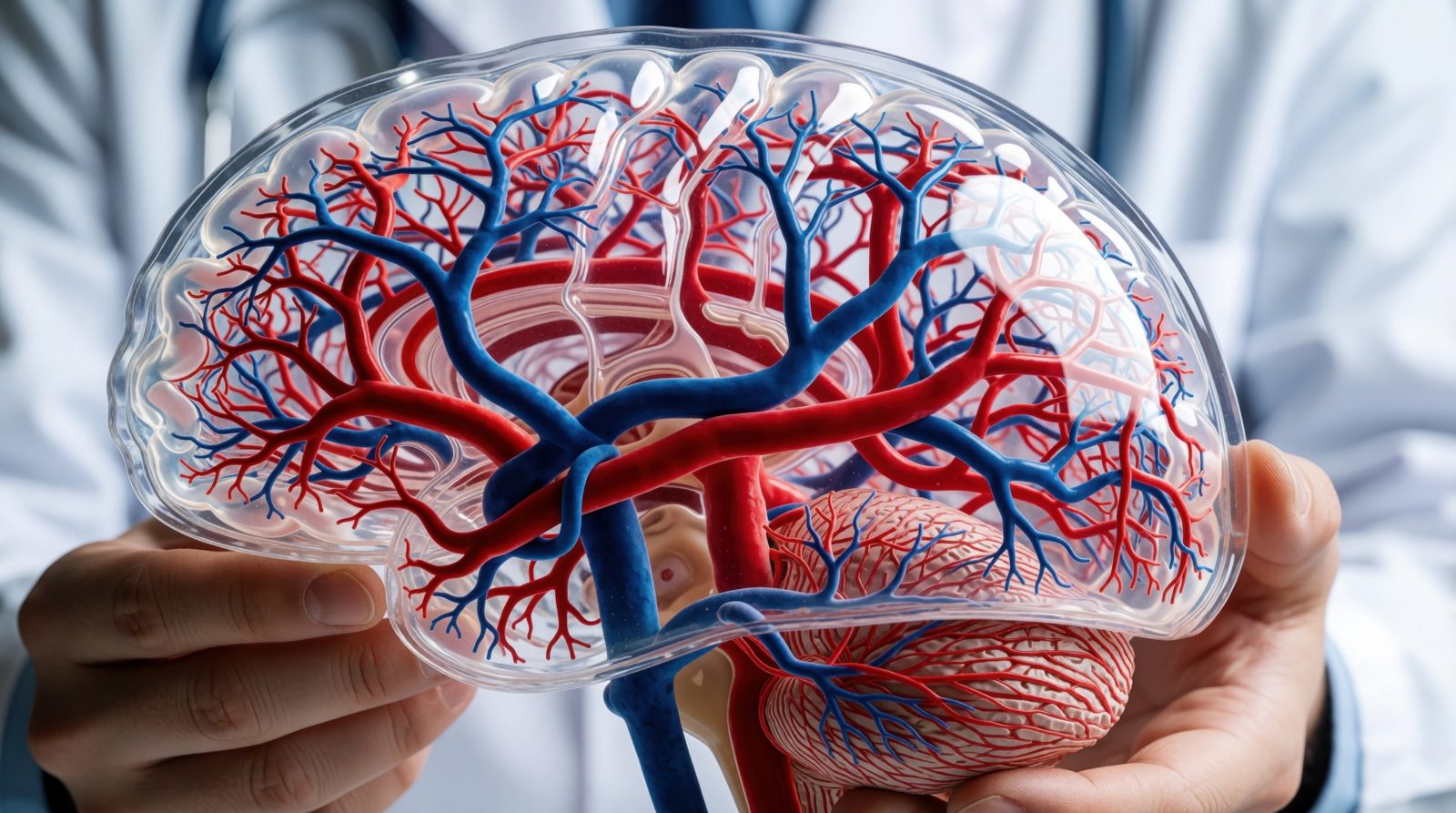
Every cervical adjustment starts with a question the patient cannot answer for you: is this neck safe to move? Physical Examination 204 is the two-hour course that teaches a chiropractor how to answer it. Dr. John Riggs works from the vascular anatomy of the brain and neck — the Circle of Willis, the internal carotid and vertebral arteries, the common sites of carotid blockage — to stroke identification: the general warning signs, how presentation differs in men and women and in left- and right-brain strokes, and the history, blood pressure, auscultation, physical examination and imaging that make the diagnosis. Then the conditions that raise the risk of a cervical artery dissection or stroke before a patient is ever on the table: cardiovascular disease, the connective tissue and hypermobility syndromes (Marfan, Ehlers-Danlos and its twelve types, scleroderma, lupus, bicuspid aortic valve, joint hypermobility, Stickler), the medications, the trauma and the other risk factors a thorough history has to surface.
The second hour covers stroke by type — ischemic (thrombotic, embolic, lacunar with its five syndromes, cryptogenic and TIA), hemorrhagic (intracerebral and subarachnoid), brain stem, cerebellar and silent strokes — with the treatments that follow each; aortic aneurysms and the other adverse cardiovascular events that present to a chiropractic office; stroke prevention; and the question the profession cannot avoid: what the literature says about neck manipulation and adverse cardiovascular events, which arteries are involved, the contraindications and precautions that belong in every chiropractor's screen, and the difference between correlation and causation. It opens the vascular risk screening lane of the CCEDseminars Physical Examination series, and it is Dr. Riggs' first course in the series — he authors the Orthopedics 201–203 nerve entrapment courses.
Where This Course Fits — The Physical Examination Series
The CCEDseminars Physical Examination series is the on-demand catalog for the examination skills a chiropractor uses every day. New titles are released as faculty complete them, and there is no bundle in this category: each course is taken on its own, and the multi-course discount applies automatically in the cart when the hours add up.
Neurological Examination
Physical Examination 201: Current Concepts in Pupillometry (Michael Hall, DC, FIACN · 2 CE · $40)
Regional Orthopedic Examination
Physical Examination 202: Neck and Upper Extremities (Dennis O'Hara, DC, DACBSP · 2 CE · $40)
Physical Examination 203: Lumbar Spine and Lower Extremity (Dennis O'Hara, DC, DACBSP · 2 CE · $40)
Vascular Risk Screening — you are here
Physical Examination 204: Cerebral and Vascular Risks — this course (John H. Riggs III, MBA, DC, DIANM · 2 CE · $40)
The current series, with pricing, lives on the Physical Examination category page.
What You'll Learn
On completing Physical Examination 204 you will be able to:
- Explain the basic anatomy of the brain and its vascular supply — the Circle of Willis and the internal carotid, vertebral, basilar, anterior cerebral and posterior communicating arteries, the carotid system and the aorta — and its relationship to cervical artery dissection and stroke
- Identify the etiology, presenting symptoms and course of treatment for stroke and cervical artery dissection, including how presentation differs between men and women and between left- and right-brain strokes, and the history, examination, laboratory and imaging steps that make the diagnosis
- Recognize the stroke types — ischemic (thrombotic, embolic, lacunar and its five syndromes, cryptogenic, transient ischemic attack), hemorrhagic (intracerebral, subarachnoid), brain stem, cerebellar and silent strokes — with their risk factors and treatments
- Screen for stroke and dissection risk before cervical manipulation: cardiovascular disorders, connective tissue and hypermobility syndromes (Marfan, Ehlers-Danlos, scleroderma, systemic lupus erythematosus, bicuspid aortic valve, joint hypermobility, Stickler and benign joint hypermobility syndromes), medications, trauma and the other risk factors, and apply the contraindications and precautions
- Review other adverse cardiovascular events that may present to the chiropractic office — thoracic, abdominal and thoracoabdominal aortic aneurysms and their causes — and the current strategies for stroke prevention
- Address the controversy of neck manipulation and stroke: the published evidence and its limits, the arteries most often involved, prevention in practice, and the distinction between correlation and causation
Course Outline
- Cardiovascular Anatomy — brain, carotid arteries and aorta; the Circle of Willis and the arteries that feed it (internal carotid, vertebral and basilar, anterior cerebral, posterior communicating); internal versus external carotid supply and the common blockage sites
- Stroke Identification — the general stroke symptoms; cervical artery dissection and stroke symptoms in men (headache, Horner's syndrome, neck pain, visual, balance and coordination problems) and in women (the third leading cause of death — weakness, disorientation, fatigue, nausea, the histories that matter); left- versus right-brain strokes; stroke diagnosis — history, medications, blood pressure, heart auscultation, physical examination, blood tests, imaging (MRI, MRA, CT, angiogram, carotid ultrasound) and EKG
- Stroke Risk Factors and Conditions — cardiovascular disorders (peripheral artery disease, prior stroke or MI, coronary artery disease, hypertension, atrial fibrillation, congestive heart failure, cardiomyopathy, high cholesterol, vasculitis); connective tissue disorders affecting blood vessels — Marfan syndrome, Ehlers-Danlos syndrome and its twelve types, scleroderma and its types, systemic lupus erythematosus, bicuspid aortic valve — with their features and treatments; hypermobility syndromes (joint hypermobility syndrome, Stickler syndrome, benign joint hypermobility syndrome); drugs increasing dissection risk (fluoroquinolones, NSAIDs, corticosteroids, oral contraceptives, methamphetamines, cocaine, statins); trauma (whiplash, concussion, neck injury, surgery, immobilization, fractures); other risk factors (alcoholism, homocysteinemia, migraine with aura, inflammatory conditions, genetics, smoking, obesity, inactivity, brittle cornea syndrome, DiGeorge syndrome, COVID-19, tick-borne illness)
- Strokes — ischemic (87%: thrombotic, embolic, lacunar, cryptogenic, TIA) and hemorrhagic (13%: intracerebral, subarachnoid) with their risk factors; transient ischemic attack — etiology and treatment; intracerebral and subarachnoid hemorrhage — diagnosis and treatment; brain stem stroke and the locked-in state; silent (whispering) stroke and asymptomatic cerebral infarct; cryptogenic stroke and patent foramen ovale; lacunar infarction and the five lacunar syndromes (pure motor, ataxic hemiparesis, dysarthria/clumsy hand, pure sensory, mixed sensorimotor); silent lacunar infarction; cerebellar infarcts and hemorrhages; ischemic and hemorrhagic stroke treatment (tPA, DOACs, antiplatelets, statins, thrombectomy, stents, coiling, clipping, craniotomy)
- Other Adverse Cardiovascular Events — thoracic, abdominal, ascending, descending and thoracoabdominal aortic aneurysms and their causes (age, genetics, hypertension, atherosclerosis, smoking, giant cell arteritis, trauma)
- Stroke Prevention — lifestyle change, risk-factor screening (hypertension, atrial fibrillation, diabetes), treatment advances, community programs, telemedicine, personalized medicine, AI risk assessment, health informatics, rehabilitation, education and outreach
- Chiropractic Manipulation and Adverse Cardiovascular Events — what the evidence says (Spine 2018 and J Stroke Cerebrovasc Dis 2018 meta-analyses, odds ratio 1.74; Neurology 2015; Spine 2008; PLoS One 2019; the spinal epidural hematoma reports; the age-risk studies; the 2012 systematic review); the arteries most often involved (middle, anterior and posterior cerebral; basal ganglia perforators); prevention — history, risk-benefit analysis, examination including neck auscultation for bruits and joint instability, avoiding end-range extension-rotation, low-force alternatives, differential diagnosis; contraindications and precautions
- Causation versus Correlation — definitions, post hoc and cum hoc fallacies, and the challenge: spontaneous events in at-risk patients versus direct causation, and misattributed case reports
Your Physical Examination Faculty
John H. Riggs III, MBA, DC, DIANM — instructor of this course — is a board-certified Diplomate of the International Academy of Neuromusculoskeletal Medicine, former Chair of the Texas Board of Chiropractic Examiners Enforcement Committee and postgraduate faculty at Texas Chiropractic College, with more than 20 peer-reviewed publications in JMPT and JACO. He authors the CCEDseminars Orthopedics 201–203 nerve entrapment series and teaches chiropractic orthopedics, neuromusculoskeletal medicine, evidence-based practice and regulatory standards. Faculty profile »
Dennis O'Hara, DC, DACBSP — sports medicine — teaches Physical Examination 202 and 203, the regional orthopedic examinations. Faculty profile »
Michael Hall, DC, FIACN — chiropractic neurologist — teaches Physical Examination 201: Current Concepts in Pupillometry. Faculty profile »
Credit, Reporting & State Rules
Physical Examination 204 is a 2-hour on-demand course. Your completion is recorded electronically when you pass the post-course assessment, and your certificate is issued immediately. Completions are reported to CE Broker for the states CCEDseminars serves.
Boards set their own caps on online hours, and some limit hours by category. Before you plan a block of online hours, confirm your board's current rules on the State/Region CEU Approvals page. Texas licensees can verify provider status through the Texas Board of Chiropractic Examiners.
Approved states for this course are listed at the bottom of this page.
What It Costs — and How to Pay Less
Physical Examination 204 is $40 for 2 CE hours — $20 per hour. Multi-course discounts apply automatically in the cart — 10% on 6–9 hours and 20% on 10 or more — with no promo code to enter.
There is no bundle in the Physical Examination category. 204 is the screen that comes before the cervical examination in Dr. O'Hara's 202 Neck and Upper Extremities (2 CE · $40), and Dr. Hall's 201 Current Concepts in Pupillometry (2 CE · $40) covers the neurological side of the same encounter — the three together are 6 CE hours, which is where the automatic 10% discount starts: $108 instead of $120, with hours combining across any CCEDseminars category in the same cart.
References
- Meta-analysis of cervical manipulation and stroke risk (odds ratio 1.74). Spine. 2018 — as cited in the course.
- Chiropractic manipulation and cervical artery dissection/stroke risk (odds ratio 1.74). Journal of Stroke and Cerebrovascular Diseases. 2018 — as cited in the course.
- Association of chiropractic visits with cervical artery dissection compared with other physical activities. Neurology. 2015 — as cited in the course.
- Case-control study of cervical manipulation and vertebrobasilar stroke. Spine. 2008 — as cited in the course.
- Systematic review of spinal manipulation and stroke/cervical artery dissection. PLoS One. 2019 — as cited in the course.
- Spinal epidural hematoma after manipulation — case reports: Z Orthop Ihre Grenzgeb 2004; World Neurosurgery 2018; Neurosurgery 1996; Surgical Neurology International 2017; J Manipulative Physiol Ther 2006.
- Age and risk: J Manipulative Physiol Ther 2015 (ages 66–99); BMC Geriatrics 2022 (65 and older, no greater risk than controls); Stroke 2014 (45 and under).
- Systematic review: conclusive evidence for a strong association is lacking. International Journal of Clinical Practice. 2012 — as cited in the course.
Frequently Asked Questions
What does Physical Examination 204 cover?
Cerebral and vascular risk screening for the chiropractor: the vascular anatomy of the brain and neck (Circle of Willis, carotid and vertebral arteries, aorta); stroke identification — general symptoms, how men and women present differently, left- versus right-brain strokes, and the history, examination, laboratory and imaging workup; the conditions that raise stroke and cervical artery dissection risk — cardiovascular disease, Marfan syndrome, Ehlers-Danlos syndrome, scleroderma, lupus, bicuspid aortic valve, the hypermobility syndromes, medications, trauma and other risk factors; stroke types (ischemic, hemorrhagic, brain stem, cerebellar, lacunar, cryptogenic, silent, TIA) and their treatment; aortic aneurysms; stroke prevention; the evidence on neck manipulation and adverse cardiovascular events, with contraindications and precautions; and correlation versus causation.
Who teaches the course, and who is it for?
John H. Riggs III, MBA, DC, DIANM — Diplomate of the International Academy of Neuromusculoskeletal Medicine, former Chair of the Texas Board of Chiropractic Examiners Enforcement Committee and Texas Chiropractic College postgraduate faculty — teaches the 2-hour course. It is written for every Doctor of Chiropractic who adjusts the cervical spine and wants a defensible pre-manipulation screen: the history that surfaces risk, the examination findings that matter, the patients who are contraindicated or need precautions, and an evidence-literate answer when a patient asks about strokes.
Can a chiropractic neck adjustment cause a stroke?
The course gives the honest answer the literature supports. Several meta-analyses and case-control studies report a small but statistically significant association between cervical manipulation and stroke or cervical artery dissection (an odds ratio of about 1.74 in the 2018 analyses), while a 2012 systematic review found conclusive evidence for a strong association lacking and the quality of much of the evidence is poor. What is not settled is whether the events are caused by the manipulation or occur in patients whose dissection was already under way when they sought care for neck pain and headache — the correlation-versus-causation problem the course closes on. The practical response is the screen: a thorough history for cardiovascular disease, connective tissue disorders, medications and trauma, an examination that includes auscultation for bruits and instability, avoiding end-range extension and rotation, low-force alternatives where risk is present, and a differential diagnosis before any neck is adjusted.
How is the course delivered, and how do I earn the CE credit?
Physical Examination 204 is online and on-demand: you start immediately after checkout and work at your own pace. When you pass the post-course assessment your completion is recorded electronically and your certificate is issued right away. CCEDseminars is PACE Provider #34015544 and the course is co-sponsored by Texas Chiropractic College; completions are reported to CE Broker for the states served. Approved states are listed at the bottom of this page, and confirming your own board's requirements remains your responsibility.
What pairs well with Physical Examination 204?
Dr. O'Hara's Physical Examination 202: Neck and Upper Extremities is the natural companion — 204 is the vascular screen that comes before the cervical examination 202 teaches — and Dr. Hall's Physical Examination 201: Current Concepts in Pupillometry covers the neurological side of the same encounter. Any three Physical Examination courses reach 6 CE hours, where the automatic 10% multi-course discount starts ($108 instead of $120). New Physical Examination titles are released as faculty complete them; the current list with pricing lives on the category page.
State approval and licensing reminder. CCEDseminars is PACE Provider #34015544. Approved states for this course are listed at the bottom of this page, and board rules on online hours change — confirming your own board's current requirements before you enroll is your responsibility.
Physical Examination 204: Cerebral and Vascular Risks
2 CE hours · $40 · online, on demand · John H. Riggs III, MBA, DC, DIANM
CCEDseminars · PACE Provider #34015544 · Reviewed by Monte Horne, DC · Last updated October 22, 2026 (CT)