 Login


Home › Radiology CE Courses › Radiology 208: Degenerative Conditions of the Pelvis and Leg
Radiology 208: Degenerative Conditions of the Pelvis and Leg — At a Glance
| Course | Radiology 208 · 2 CE hours · $40 |
| Faculty | Sandra Norton, DC, DACBR · Diplomate, American Chiropractic Board of Radiology |
| Format | Online, on-demand — start immediately |
| Pricing | $40 for 2 CE hours — $20 per hour; multi-course discounts apply automatically in the cart |
| Approval | PACE Provider #34015544 · TCC co-sponsored |



PACE Provider #34015544 · Co-sponsored by Texas Chiropractic College · Completions reported to CE Broker
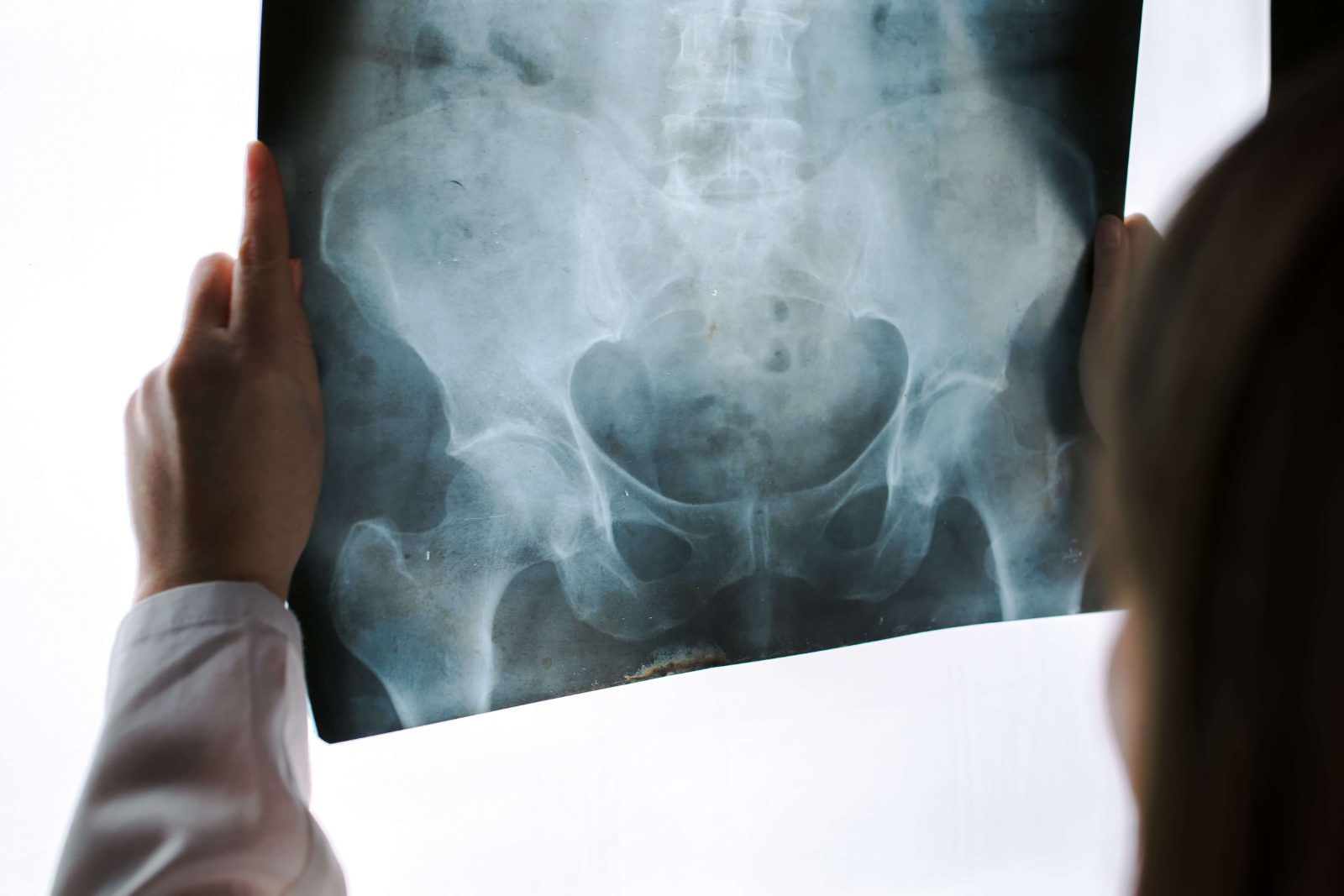
From the hip to the foot, degeneration is the most common finding on the films a chiropractic practice takes — and the one most often misread when a deposition disease or a synovial process is hiding inside it. Radiology 208 is the lower-extremity half of the degenerative series: a two-hour review that works the pelvis and hip, then the knee, the ankle and the foot, with the key radiographic findings at each joint.
Sandra Norton, DC, DACBR, then separates the look-alikes — CPPD, hydroxyapatite deposition disease, synovial chondromatosis and pigmented villonodular synovitis, each distinguished from the inflammatory conditions they resemble — and closes on two diagnoses that change the plan: femoroacetabular impingement syndrome and the Charcot joint of the diabetic foot.
Where This Course Fits — Three Radiology Lanes
You are here: Lane 2, Radiology 208 — the degenerative series, pelvis and lower extremity. Seventeen courses organize into three working lanes: learn normal first, then trauma and degeneration, then the pathologies that change management.
1. Normal Variants — Read Normal First
The foundation of interpretation: knowing the variant that mimics pathology, and the pathology that hides as a variant.
201: Cervical Spine Variants · 202: Thoracic Spine Variants · 204: Lumbar Spine Variants · 207: Introduction to Degenerative Disorders
2. Trauma & Degenerative Disease ◀ You are here
The films your practice generates — acute trauma and the aging spine and extremities.
205: Cervical Trauma · 206: Thoracic & Lumbar Trauma · 203: Joint Degeneration of the Spine & Extremities · 208: Degenerative Conditions of the Pelvis & Leg · 209: Degenerative Conditions of the Upper Extremity
3. Arthropathies, Tumors & the Case-Study Trilogy
The findings that change management, and three case-study courses that train the eye on real films.
211: Rheumatoid Arthritis · 213: Seronegative Spondyloarthropathies · 214: Crystal Deposition Diseases · 216: Primary Bone-Forming Tumors · 218: Pediatric Radiology · 210, 212, 217: Case Studies in Radiology I–III
What You'll Learn
- Comprehensive review of degenerative conditions affecting the lower extremities
- Detailed examination of the pelvis/hip, knee, ankle, and foot degeneration
- Exploration of CPPD, HADD, SCM, PVNS, and differentiation from inflammatory conditions
- Discussion on femoroacetabular impingement syndrome and Charcot’s joint/diabetic foot
Reference
Reference: Osteoarthritis of the hip (grading). Radiopaedia.org, radiology reference article. https://radiopaedia.org/articles/osteoarthritis-of-the-hip-grading-1
Your Faculty
Sandra Norton, DC, DACBR — Diplomate of the American Chiropractic Board of Radiology. She teaches 12 of the 17 courses in this category: the complete normal-variants sequence, both trauma courses, the degenerative series, pediatric radiology and all three case-study courses — a radiologist’s residency curriculum, compressed for the practicing DC.
Also teaching in the category: Wesley Duval, DC, DACBR · Diplomate, American Chiropractic Board of Radiology · joint degeneration, rheumatoid arthritis, the seronegative spondyloarthropathies, crystal deposition diseases and primary bone-forming tumors.
Credit, Reporting & State Rules
Radiology 208 is a 2-hour on-demand course, PACE-recognized and co-sponsored by Texas Chiropractic College — the approval pathway most boards accept for online chiropractic CE. Its approval list renders at the bottom of this page, straight from the course record; that list is the one to trust.
Radiology coursework is clinical subject matter — imaging interpretation, diagnosis and referral decision-making — which serves the clinical-hour structures many states impose, such as Iowa’s 36-hour clinical case-management minimum, Rhode Island’s 50-of-60 clinical requirement and Vermont’s clinical-focus rule. Most boards also cap the share of a renewal that can be earned online; check how your board counts it before relying on these hours for a specific requirement.
Texas: licensees can verify provider status through the Texas Board of Chiropractic Examiners. For every other state and province, start at the CE guidelines directory.
Build Your Radiology Block — or Take the Credential
$40 for 2 CE hours — $20 per hour. Take it after 207 (the introduction to degenerative disorders) and with 203 and 209 — the degenerative series runs spine, lower extremity, upper extremity, one method per region.
Multi-course discounts apply automatically in the cart — 10% at 6–9 hours, 20% at 10 or more, no promo code. 203 + 208 + 209 is a 6-hour degenerative block: $108 instead of $120.
Building toward the credential? Radiology 201–212 make up the 24-hour Chiropractic Radiology Certification (CRC) bundle — a single $480 checkout, taught by DACBR faculty.
Frequently Asked Questions
What does Radiology 208 cover?
A two-hour review of degenerative conditions of the pelvis and lower extremity for chiropractors: the key radiographic findings of degeneration at the pelvis and hip, the knee, the ankle and the foot; the deposition and synovial conditions that complicate the picture — CPPD (calcium pyrophosphate deposition), HADD (hydroxyapatite deposition disease), SCM (synovial chondromatosis) and PVNS (pigmented villonodular synovitis) — and how each is told apart from inflammatory arthropathy; femoroacetabular impingement syndrome; and the Charcot joint of the diabetic foot. Also known as hip osteoarthritis radiology CE, lower-extremity degenerative imaging CE, FAI and Charcot foot imaging CE or chiropractic radiology CE.
Who teaches it, and is it for chiropractors?
Sandra Norton, DC, DACBR, a Diplomate of the American Chiropractic Board of Radiology — the profession’s own imaging specialty board. The course is written for practicing chiropractors who take and read their own pelvis, hip, knee and foot films, and it stays inside chiropractic scope: interpretation, differentiation and the referral decision. It is PACE-recognized and co-sponsored by Texas Chiropractic College.
My patient’s hip film shows joint-space narrowing — how do I know whether it is ordinary osteoarthritis or something else?
That differentiation is the spine of the course. Radiology 208 builds the degenerative pattern at the hip first, then sets the look-alikes against it: CPPD and hydroxyapatite deposition disease, which calcify where osteoarthritis does not; synovial chondromatosis and pigmented villonodular synovitis, which arise from the synovium rather than the cartilage; and the inflammatory arthropathies, which the course separates from all of them. It also covers femoroacetabular impingement — the cam and pincer morphology that can precede hip degeneration in a younger patient — so the finding is read in its context before a treatment or referral decision is made. The reference drawer links Radiopaedia’s article on grading osteoarthritis of the hip.
How is the course delivered, and when do I get my certificate?
Recorded video you can watch on any device, with one year of access from purchase. Pass the short post-test and your certificate is available immediately. For states served by CE Broker, completion is reported automatically.
What should I take after Radiology 208?
Radiology 209 Degenerative & Miscellaneous Conditions of the Upper Extremity is this course’s companion — the same method above the waist — and 203 Joint Degeneration of the Spine & Extremities and 207 Introduction to Degenerative Disorders complete the degenerative series. If you have not taken them, 201, 202 and 204 supply the normal baseline degeneration is read against. Radiology 201–212 make up the 24-hour Chiropractic Radiology Certification (CRC) bundle.
State approval and licensing reminder. Approval status for this course is listed below. Online-hour caps, subject classification and scope rules vary by board; confirm your own state’s rules before relying on this course for a specific requirement.
Ready to read the degenerative hip, knee and foot?
Radiology 208 · 2 CE hours · $40 · instant certificate
CCEDseminars · PACE Provider #34015544 · Reviewed by Monte Horne, DC · Last updated November 7, 2026 (CT)