 Login


Home › Radiology CE Courses › Radiology 214: Crystal Deposition Diseases
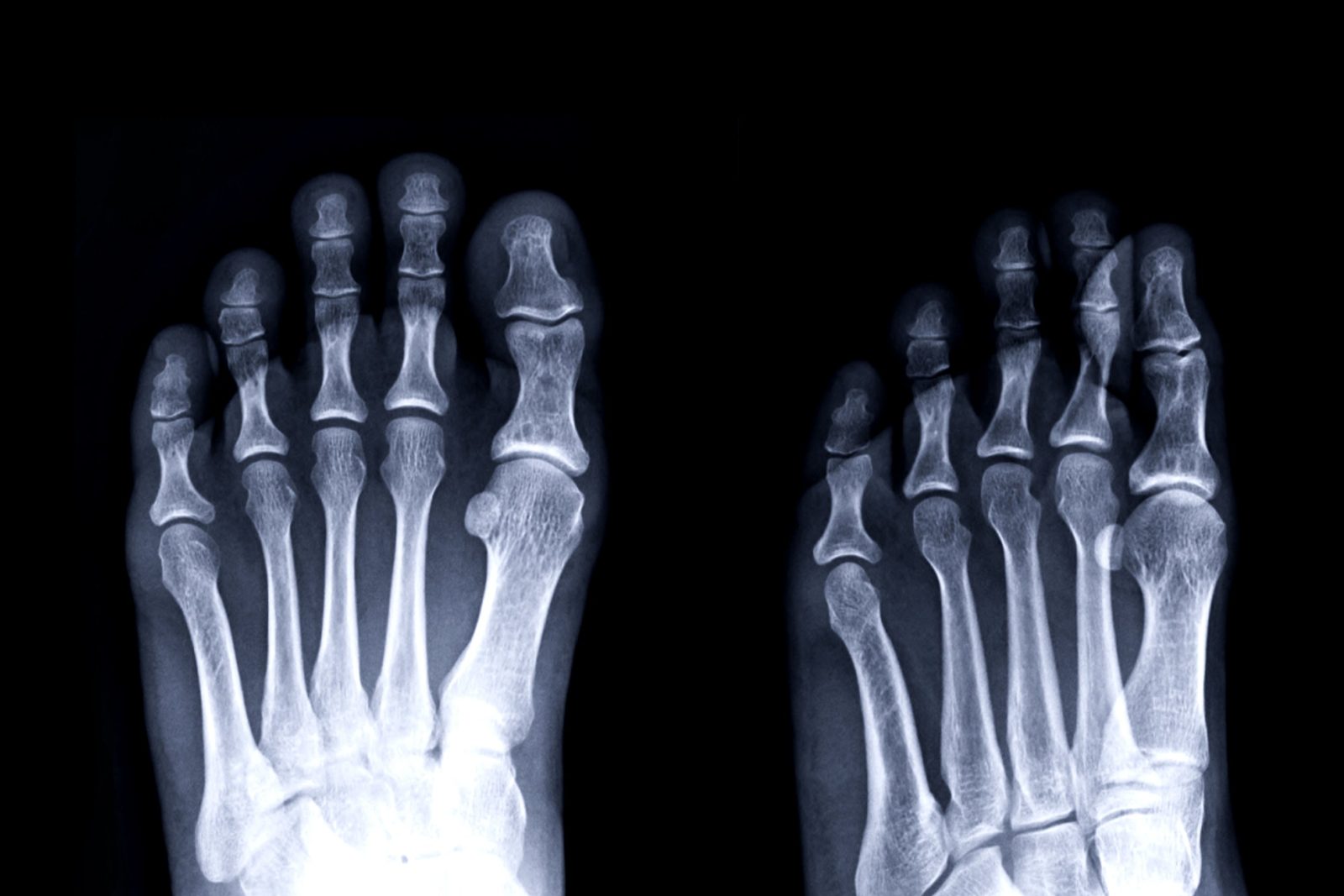
Radiology 214: Crystal Deposition Diseases — At a Glance
| Course | Radiology 214 · 2 CE hours · $40 |
| Faculty | Wesley Duval, DC, DACBR · Diplomate, American Chiropractic Board of Radiology |
| Format | Online, on-demand — start immediately |
| Pricing | $40 for 2 CE hours — $20 per hour; multi-course discounts apply automatically in the cart |
| Approval | PACE Provider #34015544 · TCC co-sponsored |



PACE Provider #34015544 · Co-sponsored by Texas Chiropractic College · Completions reported to CE Broker
Three diseases deposit crystals in and around joints, and each leaves a different mark on the film. Radiology 214 is a two-hour course on the clinical and radiographic features of gout, calcium pyrophosphate dihydrate crystal deposition disease (CPPD) and hydroxyapatite deposition disease (HADD).
Wesley Duval, DC, DACBR, starts with what crystal deposition disease is, then takes each condition from epidemiology, symptoms and lab findings to its changes in bone and soft tissue, the named radiographic signs, the differential diagnosis and the management decision.
What You'll Learn
- Identify the epidemiological characteristics of crystal deposition diseases and recognize their presenting clinical symptomatology and abnormal lab findings
- Describe the fundamental pathological changes to the skeleton and adjacent soft tissues associated with the discussed crystal deposition diseases using accepted descriptive terminology and named radiographic signs when applicable
- Analyze imaging studies in association with pertinent clinical information and develop a reasonable differential diagnosis with regards to the pathologies discussed
- Facilitate appropriate patient management, recognizing the most widely used treatment options, potential co-morbidities/complications and prognosis of the discussed disease processes
Course Outline
- What is crystal deposition disease?
- Clinical and radiographic features of gout
- Clinical and radiographic features of calcium pyrophosphate dihydrate crystal deposition disease (CPPD)
- Clinical and radiographic features of hydroxyapatite deposition disease (HADD)
More Info · course sequence, faculty, credit, pricing & FAQs
Where This Course Fits — Three Radiology Lanes
You are here: Lane 3, Radiology 214 — Crystal Deposition Diseases, the third of the arthropathy courses. Seventeen courses organize into three working lanes: learn normal first, then trauma and degeneration, then the pathologies that change management.
1. Normal Variants — Read Normal First
The foundation of interpretation: knowing the variant that mimics pathology, and the pathology that hides as a variant.
201: Cervical Spine Variants · 202: Thoracic Spine Variants · 204: Lumbar Spine Variants · 207: Introduction to Degenerative Disorders
2. Trauma & Degenerative Disease
The films your practice generates — acute trauma and the aging spine and extremities.
205: Cervical Trauma · 206: Thoracic & Lumbar Trauma · 203: Joint Degeneration of the Spine & Extremities · 208: Degenerative Conditions of the Pelvis & Leg · 209: Degenerative Conditions of the Upper Extremity
3. Arthropathies, Tumors & the Case-Study Trilogy ◀ You are here
The findings that change management, and three case-study courses that train the eye on real films.
211: Rheumatoid Arthritis · 213: Seronegative Spondyloarthropathies · 214: Crystal Deposition Diseases · 216: Primary Bone-Forming Tumors · 218: Pediatric Radiology · 210, 212, 217: Case Studies in Radiology I–III
Your Faculty
Wesley Duval, DC, DACBR — Diplomate of the American Chiropractic Board of Radiology. He carries the category’s pathology lane — joint degeneration, rheumatoid arthritis, the seronegative spondyloarthropathies, crystal deposition diseases and primary bone-forming tumors — the findings that change management.
Also teaching in the category: Sandra Norton, DC, DACBR · Diplomate, American Chiropractic Board of Radiology · the normal-variants sequence, both trauma courses, the degenerative series, pediatric radiology and the three case-study courses.
Credit, Reporting & State Rules
Radiology 214 is a 2-hour on-demand course, PACE-recognized and co-sponsored by Texas Chiropractic College — the approval pathway most boards accept for online chiropractic CE. Its approval list renders at the bottom of this page, straight from the course record; that list is the one to trust.
Radiology coursework is clinical subject matter — imaging interpretation, diagnosis and referral decision-making — which serves the clinical-hour structures many states impose, such as Iowa’s 36-hour clinical case-management minimum, Rhode Island’s 50-of-60 clinical requirement and Vermont’s clinical-focus rule. Most boards also cap the share of a renewal that can be earned online; check how your board counts it before relying on these hours for a specific requirement.
Texas: licensees can verify provider status through the Texas Board of Chiropractic Examiners. For every other state and province, start at the CE guidelines directory.
Build Your Radiology Block — or Take the Credential
$40 for 2 CE hours — $20 per hour. Take it after 211 Rheumatoid Arthritis and 213 Seronegative Spondyloarthropathies; together the three cover the inflammatory and crystal arthropathies a chiropractor is most likely to meet on film.
Multi-course discounts apply automatically in the cart — 10% at 6–9 hours, 20% at 10 or more, no promo code. 211 + 213 + 214 is a 6-hour arthropathy block: $108 instead of $120.
Building toward the credential? Radiology 201–212 make up the 24-hour Chiropractic Radiology Certification (CRC) bundle — a single $480 checkout, taught by DACBR faculty. 214 sits just beyond it and completes the arthropathy work begun in 211.
Frequently Asked Questions
What does Radiology 214 cover?
A two-hour course for chiropractors on the crystal deposition diseases: what crystal deposition disease is, and the clinical and radiographic features of gout, calcium pyrophosphate dihydrate crystal deposition disease (CPPD) and hydroxyapatite deposition disease (HADD). It covers epidemiology, presenting symptoms and abnormal lab findings, the changes to the skeleton and adjacent soft tissues, differential diagnosis and patient management. Also known as crystal deposition disease radiology CE, gout x-ray CE, CPPD radiology CE or chiropractic radiology CE.
Who teaches it, and is it for chiropractors?
Wesley Duval, DC, DACBR, a Diplomate of the American Chiropractic Board of Radiology — the profession’s own imaging specialty board. The course is written for practicing chiropractors who see patients with painful, swollen joints and read their own films, and it stays inside chiropractic scope: interpretation, differentiation and the management and referral decision. It is PACE-recognized and co-sponsored by Texas Chiropractic College.
What is the difference between gout, CPPD and HADD?
All three are crystal deposition diseases, and Radiology 214 teaches the clinical and radiographic features of each so they can be told apart. They are named for the crystal involved: gout for urate crystals, CPPD for calcium pyrophosphate dihydrate crystals and HADD for hydroxyapatite crystals. The course covers the presenting symptoms and lab findings of each, the changes each produces in bone and adjacent soft tissue, the named radiographic signs, and how to build a reasonable differential diagnosis from the imaging and the clinical picture.
How is the course delivered, and when do I get my certificate?
Recorded video you can watch on any device, with one year of access from purchase. Pass the short post-test and your certificate is available immediately. For states served by CE Broker, completion is reported automatically.
What should I take after Radiology 214?
Radiology 216 Primary Bone-Forming Tumors continues the pathology lane, and the case-study courses, 210, 212 and 217, put these patterns to work on real films. If you have not taken them, 211 Rheumatoid Arthritis and 213 Seronegative Spondyloarthropathies complete the arthropathy block with 214.
State approval and licensing reminder. Approval status for this course is listed below. Online-hour caps, subject classification and scope rules vary by board; confirm your own state’s rules before relying on this course for a specific requirement.
Ready to recognize gout, CPPD and HADD on film?
Radiology 214 · 2 CE hours · $40 · instant certificate
CCEDseminars · PACE Provider #34015544 · Reviewed by Monte Horne, DC · Last updated November 10, 2026 (CT)